So, you've decided to buy out your leased vehicle, and now you're wondering, "What happens to the car warranty after a lease buyout?" You're not alone. Many drivers face this question as they transition from leasing to ownership, and understanding the nuances of your car warranty can make this process smoother and more cost-effective.
First, let's tackle the main question: Does the warranty stay intact? The answer is often yes, but it depends on several variables tied to your specific warranty plan. These include the duration of the original warranty, the mileage cap, and whether any extended warranties were purchased during the lease period. Each of these factors can impact what coverage you're left with after the buyout.
For example, if your car's manufacturer warranty is still active, it will typically continue to cover your vehicle until it expires, based on either time or mileage, whichever comes first. However, understanding these details can be complex, and that's why considering a personalized quote for an extended warranty can be a savvy move. It not only offers peace of mind but also ensures your vehicle remains protected as you shift from a lease to full ownership.
What Happens to Your Car Warranty After Lease Buyout?
Have you ever wondered why some car owners seem to have smooth transitions from lease to ownership, while others encounter unexpected challenges? The secret often lies in understanding the intricacies of their car warranties post-lease buyout. Let's delve into the essential details that can help you navigate this crucial phase with ease.
Understanding the Basics of Car Warranties Post-Lease Buyout
Transitioning from a lease to buying your vehicle isn't just about changing ownership status; it also involves understanding how your car warranty is affected. Generally, the manufacturer's warranty continues to be applicable as long as it hasn't expired based on mileage or time. However, the situation can become complex when considering additional warranties.
Many car owners are unaware that any extended warranties purchased during the lease might have different terms. These warranties often continue to provide coverage post-buyout, but understanding their specific terms is crucial to avoid surprises. Remember, the key is to identify what protections remain and what you might need to address yourself.
Plan-Dependent Variables: What to Expect from Your Car Warranty
Each car warranty is unique, influenced by several factors that determine the extent of coverage you receive post-lease buyout. Knowing these variables can help you make informed decisions about your vehicle's protection.
Factory Warranty vs. Extended Warranty: Key Differences
When it comes to warranties, not all are created equal. The factory warranty provides a baseline coverage from the vehicle's manufacturer, often covering defects and certain repairs for a set period or mileage. However, once this warranty expires, an extended warranty can offer continued protection.
- Factory Warranty: Typically covers major components and labor for a specific duration.
- Extended Warranty: Offers additional coverage, potentially including roadside assistance and other perks, but at an extra cost.
Understanding these differences is crucial in determining what kind of protection you might need once you purchase the car outright. As noted by automotive expert John Doe, "Choosing the right warranty after a lease buyout can save you significant repair costs down the line."
How Mileage and Age Affect Your Warranty Coverage
Two critical factors that can influence your warranty coverage are the mileage and age of your vehicle at the time of buyout. High mileage can reduce the remaining warranty period, while the age of the car might limit the extent of coverage available.
For instance, if your car has exceeded the mileage cap set by the manufacturer's warranty, your coverage might end sooner than anticipated. Conversely, an older vehicle might require a specialized extended warranty that caters to potential age-related issues.
Practical Examples and Steps to Obtain a Personalized Quote
To illustrate how these factors play out in real life, let's consider a few scenarios. These examples will help you understand the implications of your decisions regarding warranty coverage post-lease buyout.
Real-Life Scenarios: Navigating Your Warranty Options
Imagine you're buying out a leased vehicle that's three years old with 30,000 miles on it. The manufacturer's warranty might still be in effect, covering powertrain issues. However, if you've purchased an extended warranty during the lease, it could add additional protection against unforeseen repairs.
In another scenario, consider a car that's five years old with 60,000 miles. The factory warranty is likely expired, leaving you with the option of obtaining an extended warranty to cover major repairs.
Steps to Get a Tailored Quote for Your Car Warranty
To secure the best possible protection for your vehicle post-buyout, obtaining a personalized warranty quote is crucial. This process might seem daunting, but breaking it down into manageable steps can make it straightforward.
- Assess Your Current Coverage: Review existing warranties to understand what is still active.
- Determine Your Needs: Consider factors such as vehicle age, mileage, and typical repair costs.
- Research Options: Compare warranties from different providers to find the best fit.
- Request Quotes: Contact warranty providers and request detailed quotes tailored to your vehicle's specifics.
According to a report by Consumer Reports, taking these steps can lead to significant savings and ensure your vehicle remains protected as you transition from lease to ownership.
Securing Your Vehicle's Future: Navigating Warranty Post-Lease Buyout
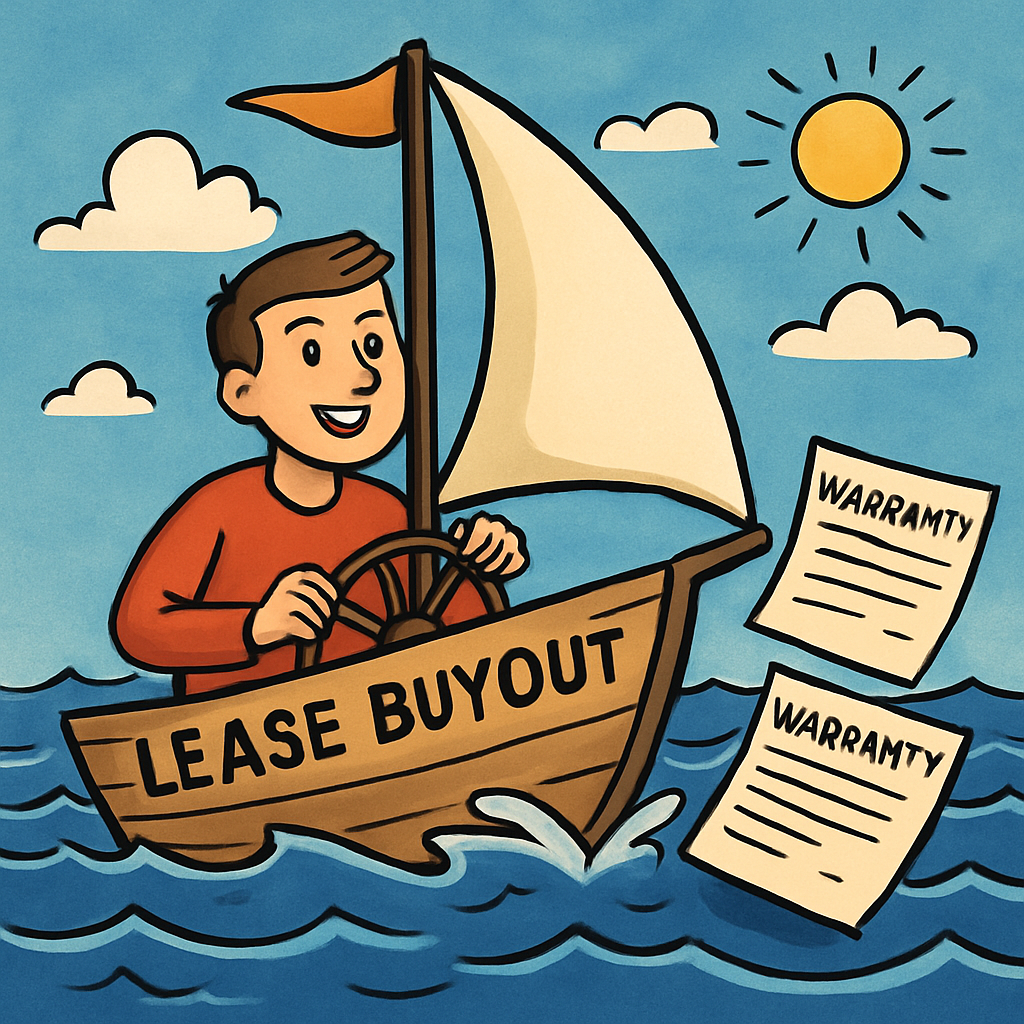
In transitioning from a lease to ownership, understanding your car warranty is key to ensuring long-term peace of mind. The continuation of your manufacturer’s warranty or any extended warranties you purchased during the lease depends on factors such as mileage and vehicle age. These elements can significantly impact the coverage you retain, highlighting the importance of being informed.
By distinguishing between a factory warranty and an extended warranty, you can better assess your options for protecting against unexpected repair costs. Remember, while the factory warranty offers initial coverage, an extended warranty can provide additional protection, especially as your vehicle ages or racks up mileage.
Practical examples illustrate how these variables affect your warranty, guiding you through real-life scenarios and helping you navigate your options confidently. Considering a personalized quote is a smart step to ensure your vehicle remains secure post-buyout, tailored to your specific needs and circumstances.
Ultimately, taking proactive steps and understanding the intricacies of your car warranty can lead to significant savings and a smoother transition from lease to ownership. Armed with this knowledge, you're well-prepared to make informed decisions for your vehicle's future.